Restaurant Remodel Timeline: What to Expect from Start to Finish
Planning a restaurant renovation? Learn the typical timeline, key phases, and tips for minimizing downtime during your commercial kitchen and dining room remodel.
Renovating a restaurant is one of the most impactful investments a hospitality operator can make. A refreshed dining room attracts new guests, a modernized kitchen improves efficiency, and updated infrastructure brings your facility up to current code. But the number one question we hear from restaurant owners is simple: How long is this going to take?
The honest answer depends on scope—but here is a realistic phase-by-phase breakdown of what to expect.
Phase 1: Planning and Design (2–6 Weeks)
Every successful restaurant remodel starts well before a single tool is picked up. During the planning phase, your contractor works with you to:
- Define the project scope and priority areas (kitchen, dining room, bar, restrooms, or all of the above)
- Review existing architectural drawings and mechanical systems
- Develop a construction timeline that accounts for your operating schedule
- Identify phasing opportunities so you can stay open during construction
This phase also includes engaging an architect or designer if needed, finalizing material and fixture selections, and establishing a detailed budget. Rushing through planning is the single biggest cause of costly delays later on—so invest the time here.
Phase 2: Permits and Approvals (2–6 Weeks)
Restaurant renovations almost always require building permits, and health department approvals are mandatory for any work touching your kitchen. The permitting timeline varies by municipality, but you should budget at least two to four weeks in most markets.
What Permits Are Typically Required
- Building permits for structural or mechanical changes
- Health department approval for kitchen equipment and layout changes
- Fire suppression permits for hood system work
- Electrical and plumbing permits for rough-in changes
A commercial contractor with local experience can accelerate this process by submitting complete, code-compliant drawings the first time and maintaining relationships with inspectors. Incomplete submittals are the most common cause of permit delays.
Phase 3: Demolition (3–5 Days to 2 Weeks)
Once permits are in hand, demolition begins. The duration depends on what is being removed—stripping a dining room down to studs takes longer than simply removing booths and flooring. Your contractor should implement dust barriers and negative air pressure to protect any areas of your restaurant that remain open.
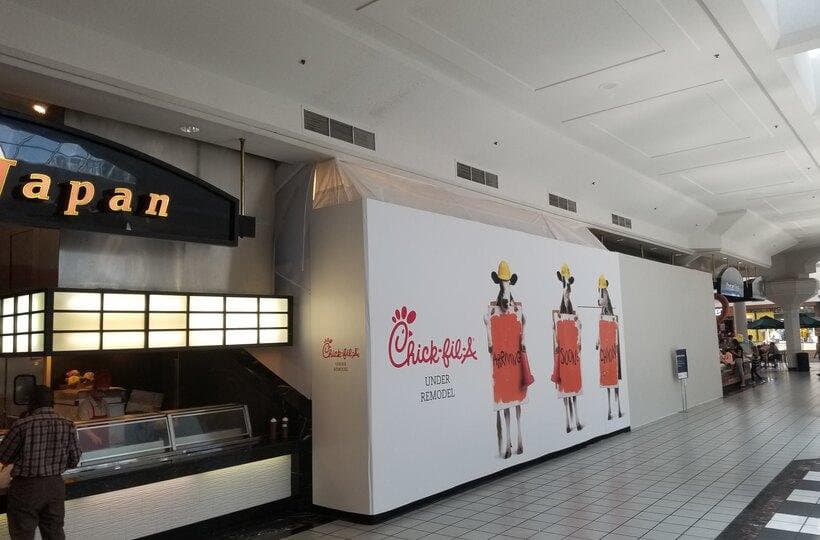
For phased projects, demolition is staged by zone to minimize disruption to daily service.
Phase 4: Rough-In Work (2–4 Weeks)
This is the "behind the walls" phase where electrical, plumbing, HVAC, and gas lines are roughed in or relocated to accommodate the new layout. If you are adding kitchen equipment, repositioning a bar, or creating new restroom facilities, this phase is where that infrastructure takes shape.
Inspections typically occur at the end of rough-in before walls are closed up. Scheduling these inspections promptly keeps the project moving.
Phase 5: Finishes and Fixtures (3–6 Weeks)
With rough-in inspected and approved, the transformation becomes visible. This phase includes:
- Drywall, taping, and painting
- Flooring installation
- Tile work in kitchens, restrooms, and bar areas
- Millwork, cabinetry, and booth installation
- Lighting and plumbing fixture installation
- Commercial kitchen equipment placement and connections
Material lead times can significantly affect this phase. Custom millwork, specialty tile, and certain commercial kitchen equipment may require four to eight weeks of lead time—which is why finalizing selections during Phase 1 is so important.
Phase 6: Final Inspection and Punch List (1–2 Weeks)
The final building inspection confirms all work meets code. Following inspection approval, your contractor walks through a punch list—addressing any cosmetic items, touch-ups, or minor deficiencies before handing the keys back to you.
Realistic Total Timelines
| Project Scope | Estimated Duration | |---|---| | Dining room refresh (cosmetic) | 4–6 weeks | | Full dining room remodel | 6–10 weeks | | Kitchen renovation | 8–12 weeks | | Full restaurant remodel | 12–20 weeks |
Tips for Minimizing Downtime
The best way to protect your revenue during a remodel is to plan the construction in phases. Closing your full restaurant is rarely necessary—with proper planning, most operators remain open throughout construction by sectioning off work areas and scheduling noisy or disruptive work during off-hours.
Work with a contractor who has specific restaurant construction experience. The phasing, health code knowledge, and coordination with your operations team that an experienced commercial contractor brings to the table is worth far more than a lower bid from a general residential contractor.
Ready to start planning your restaurant renovation? Contact Tekton Construction Group for a no-obligation consultation and detailed project timeline.