10 Common Mistakes to Avoid During a Restaurant Remodel
Avoid the most costly and disruptive restaurant renovation mistakes. Learn what experienced operators and contractors do differently to keep projects on time and on budget.
Restaurant remodels are complex projects with tight timelines, operating constraints, and significant financial stakes. After managing hundreds of commercial renovation projects, we have seen the same mistakes create problems repeatedly. Every one of them is preventable with the right approach and the right team.
Here are the ten most common mistakes restaurant owners make during a remodel, and how to avoid each one.
1. Under-Scoping MEP Work
Mechanical, electrical, and plumbing systems are the most commonly under-scoped category in restaurant renovations. Owners and sometimes even designers focus on the visible improvements, such as new finishes, seating, and lighting fixtures, while underestimating the infrastructure behind the walls.
In a restaurant, MEP is not a minor line item. It frequently represents 20 to 30 percent of total project cost. Relocating plumbing for a reconfigured bar, upgrading electrical panels to support new kitchen equipment, modifying HVAC distribution to serve a new layout, and adjusting gas lines for repositioned cooking equipment are all expensive, time-intensive tasks.
How to avoid it: Engage your contractor during preconstruction to assess existing MEP conditions and accurately scope infrastructure work before finalizing your budget. If the MEP scope has not been carefully evaluated, your budget is not reliable.
2. Ignoring ADA Compliance
The Americans with Disabilities Act requires that when a renovation exceeds a certain cost threshold relative to the building's value, accessibility improvements must be included. Many restaurant owners are surprised to learn that their restroom remodel, dining room reconfiguration, or entry modification triggers ADA requirements for wider doorways, compliant restroom fixtures, accessible seating, and ramp or threshold modifications.
Ignoring ADA requirements does not just risk failing inspection. It exposes the business to liability and can delay your reopening if an inspector requires corrections before approving occupancy.
How to avoid it: Have your contractor or architect evaluate ADA requirements during preconstruction and include any triggered upgrades in your scope and budget. These requirements are predictable and should never be a surprise.
3. Setting Unrealistic Timelines
Restaurant owners often set completion dates based on business needs, such as a holiday season, a lease commencement date, or a franchise deadline, without validating whether that timeline is physically achievable given the scope of work. An unrealistic timeline forces accelerated construction, which means overtime labor costs, rushed material procurement, compressed inspection schedules, and increased risk of quality issues.
How to avoid it: Start with the scope of work and let the timeline be derived from it. If the resulting timeline does not meet your deadline, work with your contractor to explore phasing, scope reduction, or early start options. Compressing a timeline that cannot be compressed leads to higher costs and lower quality.
4. Poor Vendor and Subcontractor Coordination
A restaurant renovation involves the general contractor, multiple subcontractors (electrical, plumbing, HVAC, fire suppression, flooring, tile, millwork, and more), equipment vendors, the designer, and the owner. When coordination is weak, trades show up in the wrong sequence, equipment deliveries arrive before the space is ready, and inspections are missed because prerequisite work is incomplete.
How to avoid it: Choose a contractor with an established subcontractor network and a proven coordination process. Weekly progress meetings, a detailed construction schedule, and a single point of accountability are the foundations of good coordination. This is one area where a contractor's experience with restaurant construction specifically, not just commercial construction generally, makes a significant difference.
5. Skipping the Contingency
Every renovation budget should include a contingency of 5 to 10 percent. Older restaurant spaces are especially prone to concealed conditions: outdated wiring behind walls, water damage beneath flooring, deteriorated plumbing in slab, or structural conditions that differ from available drawings. Without contingency, these discoveries become budget emergencies that require either cutting scope elsewhere or finding additional funding mid-project.
How to avoid it: Build contingency into the budget from day one and treat it as a reserved fund, not available for scope additions. If you reach project completion without spending the contingency, that is money back in your pocket.
6. Poor Communication Between Owner and Contractor
Miscommunication during construction is expensive. An owner who assumes the contractor understands an unspoken preference, a contractor who proceeds with a decision without confirming the owner's intent, or a communication gap that allows an error to persist through multiple stages of work all create rework, delays, and frustration.
How to avoid it: Establish a clear communication protocol at the start of the project. This includes:
- A designated point of contact on each side
- Regular scheduled meetings (weekly at minimum)
- A documented process for decisions and approvals
- Written change order requests and confirmations
- A shared project management platform or log where decisions and updates are recorded
Good communication does not happen by accident. It happens because both parties commit to a structured process.
7. Skipping Preconstruction
Jumping from a design concept directly to construction without a proper preconstruction phase is one of the most expensive shortcuts a restaurant owner can take. Preconstruction is where the budget is validated against real subcontractor pricing, where existing conditions are assessed, where phasing plans are developed, where code requirements are identified, and where long-lead items are ordered.
Without preconstruction, you are essentially starting construction based on assumptions rather than verified information. The result is change orders, delays, and a final cost that bears little resemblance to the original budget.
How to avoid it: Invest in a preconstruction phase with your contractor before signing a construction contract. The cost of preconstruction, typically two to four weeks and a modest fee, is a fraction of the cost of the problems it prevents.
8. Choosing the Lowest Bid
The lowest bid on a restaurant renovation is rarely the best value. Low bids are often missing scope, carrying unrealistically low allowances, or based on a thin subcontractor network that will result in change orders once the true costs become apparent.
When you evaluate bids, you are not comparing identical products. You are comparing different interpretations of the scope, different levels of experience, different subcontractor quality, and different risk profiles. A bid that is 15 percent lower than its competitors deserves scrutiny, not celebration.
How to avoid it: Evaluate bids based on:
- Completeness of scope coverage
- Clarity and detail of line items
- Contractor's specific restaurant renovation experience
- Quality of subcontractor relationships
- References from similar projects
- The contractor's communication style and responsiveness during the bidding process
The right contractor at a fair price will save you more money through competent execution than a low bid will save you on paper.
9. Neglecting Brand Integration
A renovation that updates finishes and fixtures without considering how the space communicates your brand is a missed opportunity. Your restaurant's physical environment is a primary brand touchpoint, and the renovation is your chance to strengthen that connection.
This does not mean plastering your logo everywhere. It means ensuring that material choices, color palette, lighting design, music integration, and spatial flow all reinforce the dining experience and identity your brand represents.
How to avoid it: Include brand alignment in your design brief. If you have brand guidelines, share them with your designer and contractor. If you do not, the renovation planning process is an excellent time to define them. Consider how every material and finish decision reflects on the overall brand experience your guests will have.
10. Renovating Without a Phasing Plan
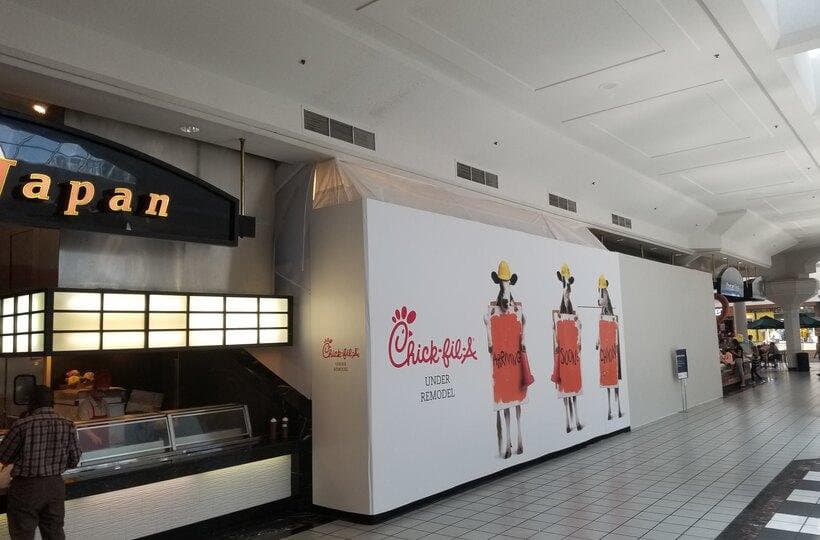
A phasing plan defines how construction will progress through the space and how your operations adapt to each phase. Without a phasing plan, you face two bad options: close the restaurant entirely for the duration of construction, losing all revenue, or attempt to stay open during unplanned construction, creating an unacceptable guest experience.
A well-designed phasing plan allows you to remain open during much of the construction by isolating work areas, scheduling disruptive tasks during off-hours, and managing guest and staff flow through the operational zones.
How to avoid it: Develop a phasing plan during preconstruction, before construction begins. The plan should account for:
- Which areas are under construction during each phase
- How guests enter, move through, and exit the space during each phase
- Where construction barriers are placed and how they are maintained
- What hours and days disruptive work (demolition, concrete cutting, heavy deliveries) is permitted
- How staff workflow adjusts during each phase
- Communication to guests about what to expect
Building a Better Process
Every one of these mistakes shares a common root cause: insufficient planning. The restaurant owners who have the best renovation experiences are the ones who invest time and resources in preconstruction, choose their contractor based on capability rather than price alone, and commit to disciplined communication throughout the project.
Get a risk-reduction plan from Tekton Construction Group. We identify potential problems during preconstruction, not during construction, so your renovation stays on time, on budget, and on track.